How Players Learned Traditional Rules Without Digital Guides
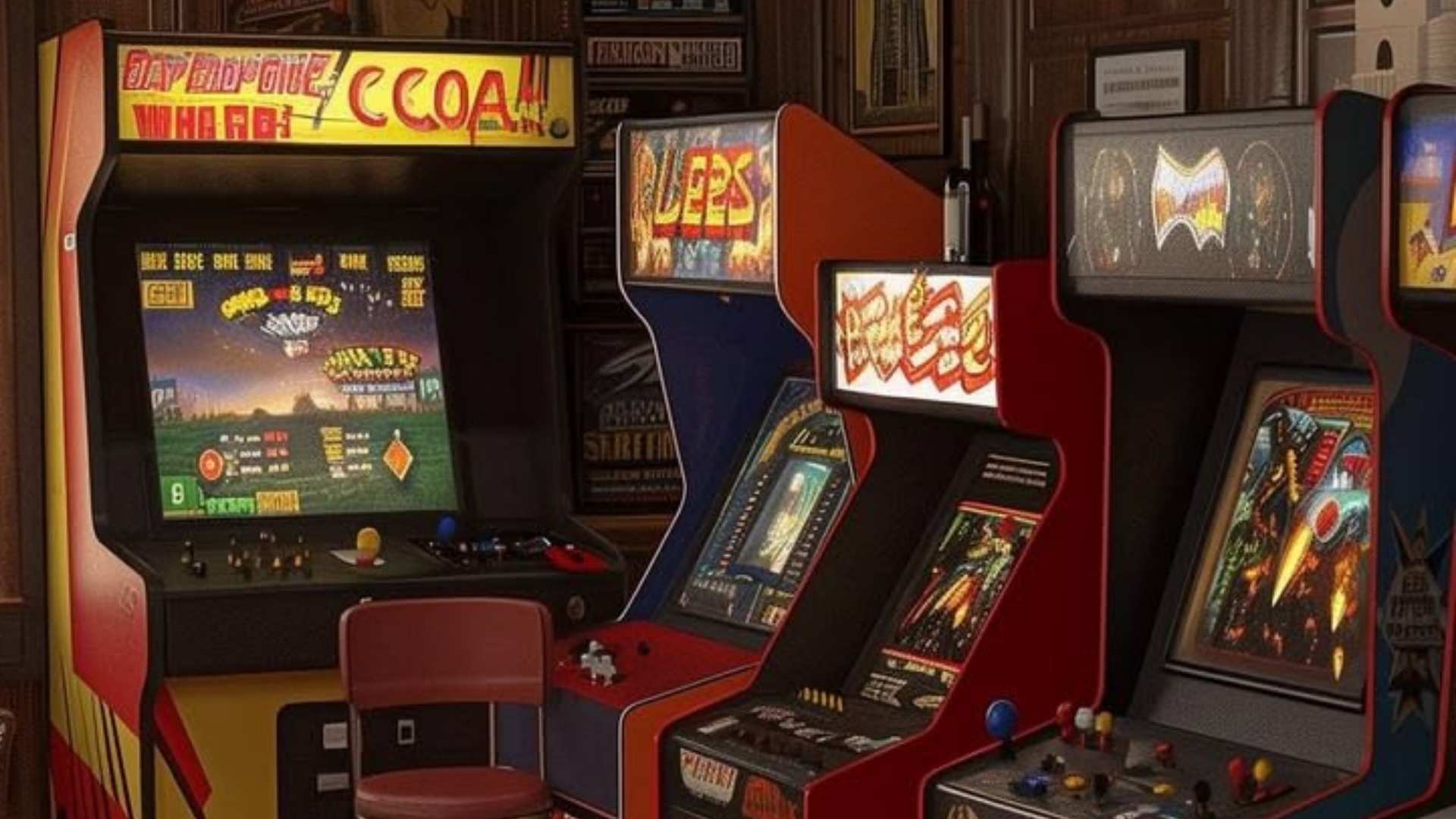
The history of traditional card games and table entertainment showcases a fascinating reliance on communal knowledge transfer long before digital screens existed. For generations, newcomers acquired intricate gaming procedures not through interactive software tutorials, but through deep human socialization. Exploring these historical onboarding methods reveals how personal accountability and collective engagement shaped the foundation of early gaming culture across the globe.
The Power of Active Observation
Before standard rules were codified in downloadable manuals, the primary way to learn a game was through patient watchfulness. Novices often spent hours standing behind veteran players in crowded salons, tracking card distribution patterns and behavioral cues. This passive tracking allowed beginners to absorb complex table etiquettes and foundational scoring dynamics before placing their first wager.
Furthermore, this observation process taught new players how to handle shifting financial dynamics and operational pressures under a live spotlight. By watching how experienced participants interacted with the dealer, learners developed an intuitive grasp of implicit gaming boundaries. This slow absorption ensured that players entered the live arena with a deep structural respect for the activity.
Peer Mentorship and Social Rituals
Traditional gaming spaces functioned as exclusive social hubs where seasoned enthusiasts took pride in passing down regional rule variations to the next generation. This informal mentorship often occurred during casual gatherings, where rules were debated, refined, and memorized through repetitive practice. These verbal interactions turned learning into a shared community ritual rather than an isolated academic exercise.
As these historic card mechanics transitioned into contemporary spaces, specialized platforms emerged to preserve the excitement of competitive table play. Enthusiasts looking to transition from historical insights into active gaming options can use the m88 casino login register process to explore modern live layouts. This platform integration successfully bridges old-world tactical expectations with automated operational systems.
The Role of Oral Traditions and Memory
In many early gaming circles, table rules survived exclusively through oral history and localized custom. Players relied heavily on mnemonic devices, catchy rhyming phrases, and strict social enforcement to keep the mathematical frameworks intact across multiple generations. This reliance on personal memory created a dynamic environment where rule variations evolved naturally alongside regional cultures.
Without structured databases to consult, players also developed high levels of mental math proficiency to calculate point distributions instantly. Any misunderstanding of the rules was corrected immediately by the community, creating a self-regulating standard of fairness. This communal accountability ensured that game integrity remained strong despite the complete absence of physical or digital rulebooks.
Enduring Value of Non Digital Learning
Examining how early players mastered traditional rules highlights the timeless human need for connection, strategic thinking, and shared play. While modern technology offers unmatched convenience and speed, looking back at historical learning formats reveals the unique social value embedded in original table design. This deep heritage continues to inspire how modern developers design intuitive gaming interfaces for audiences today.